Personalized Apple Pencil Design Review for Craft Fair Sellers
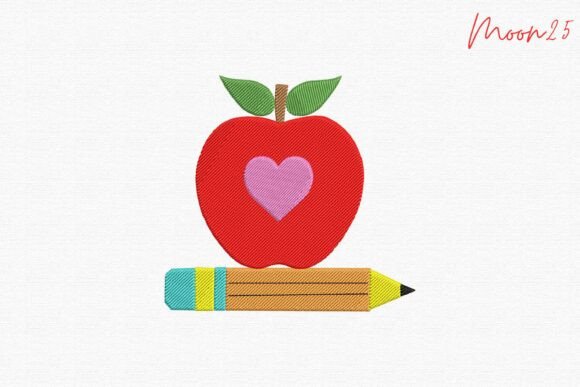
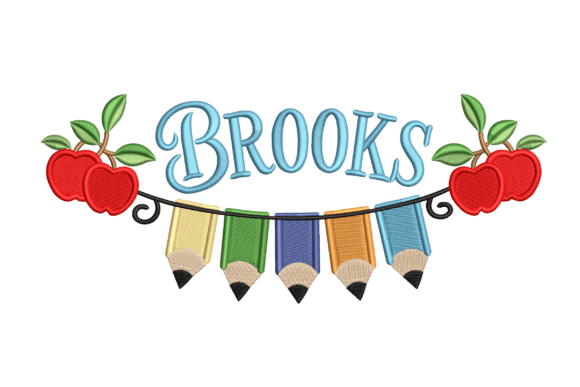
As an embroidery designer who has prepped hundreds of designs for weekend craft fairs, I have learned to judge a machine embroidery design by how it stops a shopper mid-stride. When I first opened the Personalized Apple Pencil embroidery file, I saw a back-to-school piece that could do exactly that. The bright red apples and the colorful pencil bunting immediately read as cheerful and classroom-ready. The customizable element gives it that handmade, gift-worthy edge that Etsy sellers and small shop owners rely on. After testing this design on several common craft fair products, I want to share what works, what to watch for, and how to turn this into a product that actually sells from your booth table.
First Impression and Visual Mood
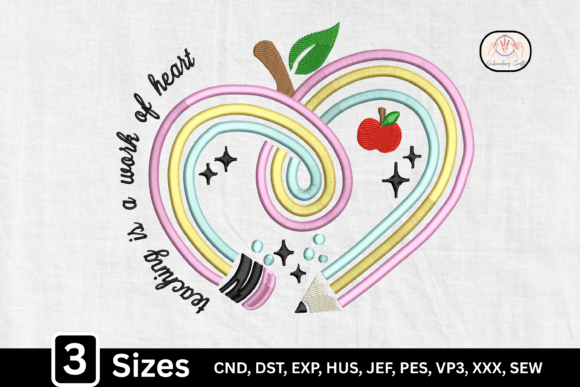
The Personalized Apple Pencil lands squarely in the cute and festive category with a clean, modern feel. The red apples are bold without being overwhelming, and the pencil bunting adds a playful, colorful rhythm. This is not a rustic farmhouse design, nor is it minimal and subtle. It is bright, uplifting, and instantly recognizable as a celebration of learning. For a craft fair product, that immediate readability matters. A customer walking past your booth with a tote bag or apron displaying this design will likely stop, smile, and think of a teacher or a student they love. The customizable name or text area gives it that personal touch that drives sales at handmade markets. I would describe the mood as joyful, colorful, and highly giftable with a polished finish that still feels handmade.
Best Product Applications for Your Booth
When I evaluate a design for craft fair production, I consider how it performs across multiple item types. The Personalized Apple Pencil adapts well to several popular product categories. Here is how it works on the items I tested.
Tote Bags and Market Bags
A canvas tote bag embroidered with this design becomes an instant conversation piece. The bright apples and pencil bunting pop against natural cotton or light-colored canvas. The customizable name area sits nicely in the center, making the bag feel like a custom gift. I recommend hooping a standard tote bag panel and using a medium-weight cutaway stabilizer. The design reads well at a glance, which is essential for booth display where customers scan quickly. Batch stitching several tote bags with different names can create a small collection that feels both uniform and personalized.
Aprons and Kitchen Towels
An apron embroidered with the Personalized Apple Pencil is a natural fit for teacher gifts or back-to-school markets. The design sits well on an apron bib or pocket area. On tea towels, the colorful pencil bunting stretches nicely across the fabric, and the apples anchor the composition. Test on a towel first because terry cloth and linty fabrics can obscure small details. Use a water-soluble topper and a medium-weight stabilizer to keep stitches crisp. The design holds up well at a slightly reduced size for towel corners, but check that the lettering remains legible.
Caps and Hats
Embroidering caps is always a challenge, but the Personalized Apple Pencil can work if you position it carefully. The design is wide enough that it may need to be sized down for a curved cap front. The pencil bunting loses some impact at smaller sizes, so I suggest testing a scaled version on a practice cap first. The apples and name remain the strongest elements. Use a cap hoop and a stiff cutaway stabilizer to manage dense areas. If clarity suffers, reserve this design for flat products like patches and pouches instead.
Patches and Fabric Pouches
An embroidered patch is one of the highest-margin items you can sell at a craft fair. The Personalized Apple Pencil translates beautifully into a patch format. Stitch it onto twill or felt, trim close to the edge, and add a heat-seal or sew-on backing. Patches appeal to buyers who want a quick, affordable gift. Fabric pouches, like pencil cases or small zipper bags, also work well. The design fits a standard 4x4 or 5x7 hoop size, making it efficient to produce multiple units in one sitting. The colorful bunting really stands out on a small pouch.
Pillow Covers and Home Accents
For a craft fair booth, decorative pillow covers with the Personalized Apple Pencil add a cozy, giftable option. A 12x12 or 14x14 pillow cover with this design centered on the front panel becomes a charming teacher appreciation gift. The bright colors warm up a neutral linen or cotton cover. Use a tearaway stabilizer for woven fabrics and a medium stitch density to avoid puckering. This product photographs well for online listings too, which is helpful if you also sell on Etsy.
Selling and Production Considerations
The Personalized Apple Pencil excels in booth display because it communicates its theme instantly. A shopper does not need to read a sign or ask questions to understand that this is a teacher or back-to-school gift. That clarity shortens the sales cycle and increases impulse buys. The customizable name option adds perceived value. Buyers are often willing to pay a premium for a product that feels made just for them.
For batch production, the design repeats well. Once you have your stabilizer, thread colors, and fabric dialed in, you can stitch multiple units efficiently. The color palette is straightforward bright red, yellow, green, and blue accents. These are common thread colors that most embroidery businesses already stock. I recommend keeping the apple red as the dominant color and using the bunting colors as accents. This consistency helps with brand recognition across your product line.
The design also photographs well for online listings. The bright apples and colorful bunting pop against a simple background. Use natural light and a neutral backdrop for your Etsy product photos. A printable mockup of the design on a tote bag or apron can help you show scale and placement before you stitch the actual product. Taking a few good photos of your finished items will strengthen your design assets and boost buyer confidence.
Careful Notes for Stitch Quality and Fabric Choice
Before you commit to a large production run, I strongly advise testing the Personalized Apple Pencil on your actual fabric choices. Here are the key areas to examine.
Dense Stitch Areas and Tiny Details
The red apples contain fill stitching that can become dense, especially if the design is scaled up. Dense areas may cause fabric puckering on lightweight materials like cotton voile or soft t-shirts. Use a quality cutaway stabilizer and a sharp needle. If the apples feel too heavy, consider reducing the stitch density in your embroidery software or using a lighter underlay. The pencil bunting includes narrow lines and small details that may lose clarity on textured or thick fabrics. Test on a scrap piece first and adjust thread tension as needed.
Small Lettering and Customizable Names
The customizable name area is a major selling point, but small lettering can be tricky. If you plan to embroider names shorter than three or four characters, the lettering may look sparse. For very short names, consider using a slightly larger font size or adding space between letters to avoid a cramped look. Always test the name area on a practice piece before stitching a finished product. Use a lightweight stabilizer for thin fabrics to prevent the lettering from sinking into the weave.
Dark Fabric and Thread Contrast
The Personalized Apple Pencil was clearly designed for light or medium backgrounds. On dark fabric, the bright red apples and colorful bunting still show, but you may need a white or light underlay to prevent the dark fabric from dulling the colors. Alternatively, stitch onto a lighter patch and then attach it to a dark product. This approach gives you more flexibility with fabric color choices and maintains the design integrity.
Curved Cap Surfaces and Textured Towels
As I mentioned earlier, caps and textured towels require extra caution. The design width may cause distortion on a curved cap surface. Scale down the design and test on a practice cap before stitching for customers. For towels, use a water-soluble topper to keep stitches from sinking into the loops. The bunting details may blur on heavy terry cloth, so consider a tighter stitch density or a different fabric like linen or cotton duck.
Practical Embroidery Designer Notes
I always tell fellow craft fair sellers and Etsy entrepreneurs that preparation prevents production headaches. Here are my essential steps before you add the Personalized Apple Pencil to your product lineup.
- Test on scrap fabric. Use the exact fabric you plan to sell. Check stitch quality, thread tension, and design alignment.
- Review thread contrast. Hold your thread spools against the fabric in natural light. The apples should pop, not blend.
- Check spacing and hoop size. Confirm the design fits comfortably within your hoop without crowding the edges. Leave at least half an inch of margin.
- Inspect stitch density. If any area feels overly dense, adjust in your software or choose a lighter underlay. Too much density can distort the fabric.
- Use the right stabilizer. Cutaway stabilizer for knits and stretchy fabrics. Tearaway for stable wovens. Water-soluble topper for towels and fleece.
- Create at least one real mockup. Stitch the design on your chosen product and photograph it. This mockup becomes your best sales asset for Etsy listings and booth display.
- Compare fabric colors. A pure white tote bag will look different from a natural or cream canvas. Test a few base colors to see which one makes the design shine.
- Confirm commercial licensing. Before you sell finished products, verify that the embroidery file includes commercial use rights. Not all digital embroidery files allow selling the stitched items.
These steps may take extra time early on, but they save you from disappointing results when you are stitching ten bags in a row for a weekend fair.
How This Design Affects Your Booth and Buyer Engagement
Displaying the Personalized Apple Pencil on a finished tote bag or apron at your craft fair booth draws attention because of its bright colors and recognizable theme. Shoppers who are teachers, parents, or students will naturally gravitate toward it. I recommend placing this design at eye level on your table or on a mannequin. Pair it with a small sign that says "Customize with any name" to prompt questions and conversation. The more you engage customers, the more likely they are to buy.
The design also supports a higher perceived value. A simple tote bag might sell for fifteen dollars, but add a personalized embroidery design like this one, and you can reasonably price it at twenty-five dollars or more. The buyer feels they are getting a custom item, not just a mass-produced product. This price flexibility is crucial for small shop owners and boutique makers who need to cover material costs and booth fees.
For digital sellers, the Personalized Apple Pencil is a strong addition to your design assets. If you sell embroidery files, this design appeals to teachers, school staff, and parents who want quick back-to-school projects. A well-made printable mockup showing the design on a tote bag or apron can increase click-through rates on your Etsy listings. Provide clear stitch instructions and thread color guides to help your customers succeed.
Final Verdict for Craft Fair and Handmade Market Products
The Personalized Apple Pencil is a well-conceived machine embroidery design that performs best on tote bags, aprons, tea towels, patches, and fabric pouches. Its bright, festive mood and customizable name area make it a strong candidate for teacher appreciation gifts, back-to-school markets, and classroom-themed product lines. The design is repeatable for batch production, photographs well for online listings, and offers good margin potential for handmade business owners. With careful attention to stabilizer choice, fabric texture, and density testing, this design can become a reliable seller in your craft fair booth. Test it, tweak it if needed, and let those bright apples do the talking.