Classic Red Apple – A Staple Design Worth Stitching?
There are certain motifs in the embroidery world that never truly go out of style. A crisp, classic red apple is one of them. It carries a visual weight that transcends seasons, sitting comfortably in a back-to-school lineup, a farm-to-table kitchen collection, or a teacher appreciation bundle. When I pulled up the Classic Red Apple embroidery file for the first time, I was looking for more than just a cute shape. I was looking for technical discipline, market versatility, and that intangible quality that turns a simple stitch into a best-selling finished product. Let me walk you through what I found after putting this design through a rigorous set of real-world projects.
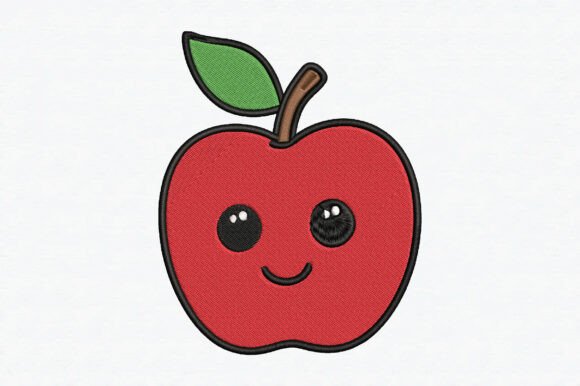
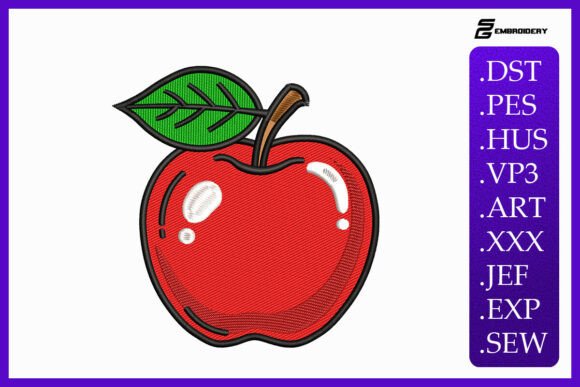
The first thing I look for in any Food category design is whether the texture will read as appetizing or flat. The Classic Red Apple avoids that trap. It uses a segmented fill structure that mimics the natural highlights and curves of the fruit. This is not a solid blob of red thread. There is a subtle play between the main body, the highlight, and the stem that gives it a polished, almost 3D illusion without relying on excessive color changes or complex applique layers.
First Impressions – Clean Lines and Commercial Viability
Opening the file, the silhouette is immediately unambiguous. The distinct apple shape with its confident curve and dimpled top is instantly recognizable. The level of detail is pitched perfectly for a machine embroidery design. It avoids the trap of being overly complex—which can muddy in the hoop—or too simplistic, which risks looking like clipart. The satin stitch tracking for the outline is smooth, and the fill stitch paths are logical. For an Etsy seller or small shop product creator, this means less time troubleshooting and more time stitching out saleable goods. I noted the absence of jump stitches in obvious areas, which is a solid sign of clean digitizing.
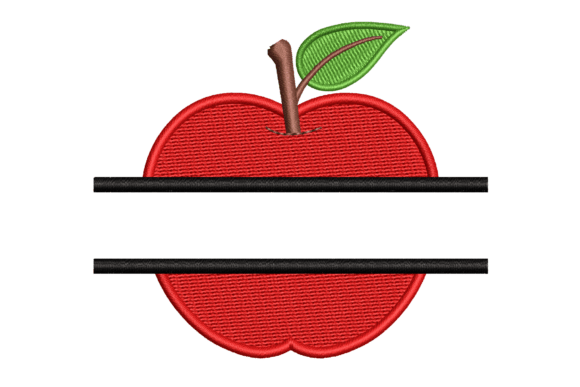
This design immediately felt like it belonged on a tote bag design or a sturdy kitchen towel. It has that ‘giftable’ aura. You can picture it with a monogram underneath, or a simple “Thanks a Bunch” arched above it. The mood it creates is one of wholesome reliability. It doesn't scream for attention; it invites connection. That is a powerful asset when you are designing for a market that craves handmade product authenticity.
Real-World Performance – From Toddler Tees to Tea Towels
I don't trust a design until I see it strain under different conditions. My first test run was on a standard medium-weight cotton canvas tote bag. In this scenario, the Classic Red Apple performed flawlessly. The satin stitch outline tracked smoothly around the curves, and the fill stitches laid down evenly without any pulls or gaps. The registration was tight.
Then came the real challenge: a stretchy tri-blend toddler tee. This is the graveyard for dense, poorly digitized files. The Classic Red Apple, however, handled it with grace. The underlay was robust enough to provide the necessary stability to prevent the fabric from puckering, but the overall stitch density felt economical. It is dense enough to look solid and opaque, but light enough to keep the fabric from turning into a stiff, uncomfortable patch. This is critical for baby embroidery projects. Parents and gift buyers are very sensitive to the feel of the inside of a garment. A rough, dense stitch-out on a onesie is a hard pass. This design nests into the fabric beautifully, maintaining the softness of the original garment.
I also tested it for an embroidered patch project. The compact nature of the apple shape meant it nested perfectly inside a variety of patch backings without distorting. The edge finish was clean enough for a laser-cut patch application. For a craft business owner looking to create a “Teacher Appreciation” bundle, this design is a goldmine. It is instantly recognizable. Paired with a name or title, it creates a premium finished product without massive digitizing costs or overwhelming thread changes.
Where the Apple Shines – And Where to Tread Carefully
No digital embroidery file is perfect for every application, and a good review points out the pitfalls before you waste precious material. The Classic Red Apple has a clear “sweet spot” when it comes to size. I wouldn't recommend shrinking it below 2.5 inches in width for a standard project. In smaller hoop size scenarios, the subtle highlight details and the delicate stem leaf can lose definition and become muddy.
Fabric choice is critical here. On dark fabrics—think navy, black, or forest green—you must be careful with your thread color selection. A bright, fire-engine red or even a red with an orange tint will pop beautifully against a dark backdrop. But a burgundy or dark crimson thread? It will disappear completely. I always run a black-and-white mockup of my thread colors to check contrast before I load the needle. Dark red on dark fabric is the fastest way to kill a design's visual appeal and reduce your customer's perceived value.
I also advise caution when placing this on a curved surface like a cap or a cylindrical coffee sleeve. The main shape is robust, but ensuring your hooping technique is solid is non-negotiable. Use a firm cutaway stabilizer and a floating method to avoid distortion of that perfect round apple profile. On towels or highly textured fabrics, test the stitch count against the loop. Dense satin stitches can get lost in high-pile terry cloth if not properly floated and stabilized.
Practical Designer Notes – Hoop, Stabilizer, and Licensing
Before you load this file and hit go, treat it like a prototype. Here is the checklist I run through for every new asset in my library:
- Test Stitch is Mandatory: Run the Classic Red Apple on a scrap of your actual project fabric. Never trust a screen preview. See how the needle penetrates. Listen to the machine. Does it sound stressed? If yes, adjust speed or density.
- Stabilizer Fit: For sweatshirt embroidery or knit fabrics, cutaway stabilizer is your best friend. For wovens like aprons or tea towels, a high-quality tear-away will suffice. If you skip this step, you risk puckering that will ruin the clean lines of the apple.
- Thread Pathing: Check the file layers. Does the satin outline stitch over the fill? This can create a halo effect on some fabrics. I prefer the fill to stitch first, then the outline to cleanly cap the edges. Verify this in your software before stitching.
- Color Pop Strategy: While the design is perfectly effective as a single color, the green leaf adds significant perceived value for just one extra color change. It moves the design from “basic shape” to “illustrated icon.” Do not skip the leaf if your project budget allows for a second color.
- Commercial Licensing: This is a non-negotiable point. If you are a commercial embroidery decorator or an Etsy seller, confirm the license terms. Does your purchase allow you to sell the finished product? Respect the digitizer’s work. A proper license protects your business and theirs. I always keep a copy of the license file in my project folder.
The Business of Stitching – Perceived Value and Market Fit
From a small business owner’s perspective, this design is a high-value asset. It has incredible giftability. Customers immediately associate a red apple with quality, health, and education. Whether it’s on a custom apparel piece for a school fundraiser or an apron for a home baker, the design adds a layer of storytelling without requiring a lengthy explanation. It photographs beautifully for printable mockup presentations. For Etsy listings or social media marketing, the high-contrast, recognizable shape grabs attention in a crowded feed.
I know crafters who have sold hundreds of “Thanks a Bunch” apple-themed totes using similar motifs. The key is the stitch-out time. At the moderate density of the Classic Red Apple, you can realistically price a tote bag at $25 to $35 and still make a solid hourly wage. It fits the budget of a retail buyer while maintaining the feel of a luxury handmade item. It also serves as excellent boutique branding for farm-to-table shops or organic children's clothing lines. The simplicity of the iconography lends itself to consistent, repeatable branding across multiple product lines.
Final Verdict – A Reliable Asset for Your Hoop
After spending time with the Classic Red Apple across a range of fabrics and project types, I can confidently say it is more than just a basic food-themed motif. It is a versatile, robust tool for your embroidery library. It handles the demands of production embroidery—speed, density, registration—while retaining the charm needed for a personalized gift. It respects your time as a maker and your customer’s budget. If you are a hobbyist looking for a clean project or a high-volume apparel decorator searching for a reliable crowd-pleaser, this apple has a place in your workflow. Give it proper sizing, good thread contrast, and a solid stabilizer, and it will reward you with a clean, saleable finish every single time.